Compare Local Contractors for Foundation Stabilizing Services
Compare local contractors for foundation stabilizing to define project scope, verify experience, and ensure clear expectations before hiring.
Foundation stabilizing involves a range of services aimed at addressing issues such as uneven settling, cracking, or shifting of a property's foundation. These services typically include techniques like underpinning, piering, or slab jacking, which are designed to reinforce the existing structure and prevent further movement. The scope of work can vary depending on the severity of the foundation problem, the type of soil, and the construction of the building. Understanding what specific repairs are needed helps property owners communicate effectively with contractors and ensures that all necessary work is clearly outlined before any project begins.
Defining the scope of foundation stabilizing work is a crucial step in selecting the right service provider. A well-defined scope helps prevent misunderstandings and ensures that both property owners and contractors have aligned expectations about the work to be performed. It includes detailed descriptions of the problem, the methods to be used, and the desired outcomes. Clear documentation can also serve as a reference throughout the project, making it easier to manage changes or address concerns that may arise during the process. Taking the time to establish a comprehensive scope can lead to smoother project execution and more satisfactory results.
When comparing local contractors for foundation stabilizing work, property owners should consider their experience with similar projects and the types of techniques they employ. It’s helpful to verify the contractor’s familiarity with the specific challenges of the local area, such as soil conditions or building styles. Reviewing credentials, requesting detailed written proposals, and asking about the scope of work can aid in making an informed decision. Additionally, speaking with previous clients or checking references can provide insights into the contractor’s reliability and quality of work. Comparing these aspects helps ensure that property owners choose a service provider capable of effectively addressing their foundation needs.
Compare local contractors by outlining project priorities, verifying experience, and setting clear expectations in writing.
- Compare Contractor Experience - Review the backgrounds and project history of local contractors to ensure they have relevant experience with foundation stabilizing.
- Define Project Scope - Clearly outline the work needed and expectations to help contractors provide accurate proposals.
- Verify Credentials and References - Check references and past work to assess the reliability and quality of local service providers.
- Document Agreements in Writing - Ensure all project details, responsibilities, and expectations are documented to prevent misunderstandings.
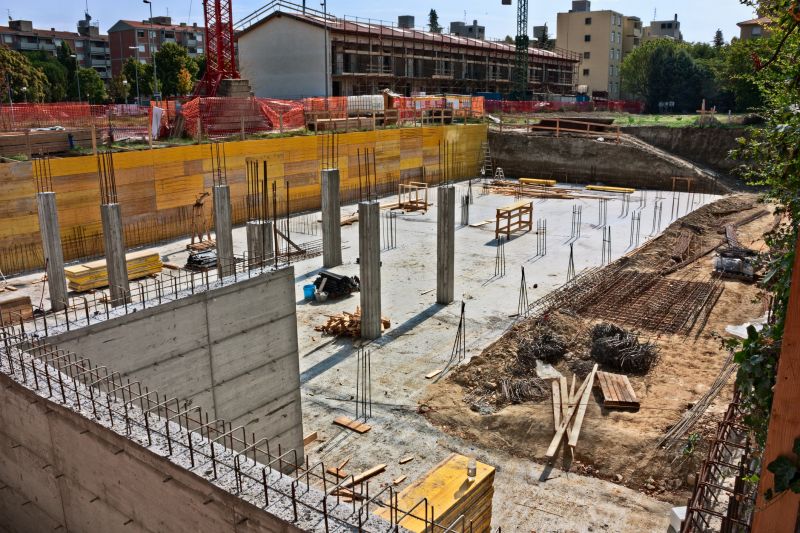
Clearly describe your foundation stabilizing project before comparing local contractors, verifying experience, and setting expectations in writing.
- Verify experience and expertise in foundation stabilization methods relevant to the specific project needs. - Ensure contractors clearly define the scope of work and expected outcomes in written agreements.
- Assess the methods and materials proposed to ensure they are appropriate for stabilizing the foundation effectively. - Confirm that service providers have a thorough understanding of soil conditions and foundation issues.
- Check references or reviews to gauge the reliability and quality of previous foundation stabilization projects. - Look for contractors who provide detailed project plans and scope descriptions in their proposals.
- Ensure that the scope of work, responsibilities, and project expectations are clearly documented before work begins. - Compare multiple local contractors to evaluate their approaches and communication clarity.
- Confirm that the contractor has a process for inspecting and assessing the foundation prior to starting work. - Make sure the service provider explains their stabilization techniques and how they plan to address specific issues.
Use this to compare local contractors, clarify scope, verify experience, and set clear expectations.

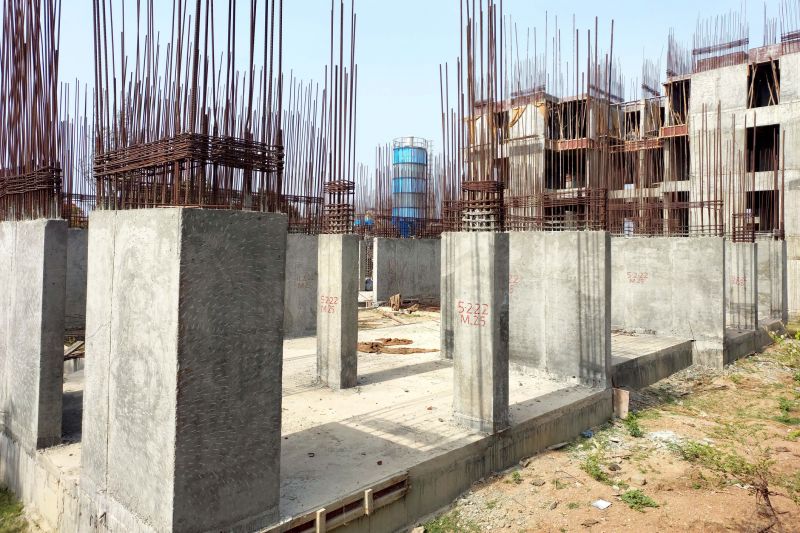
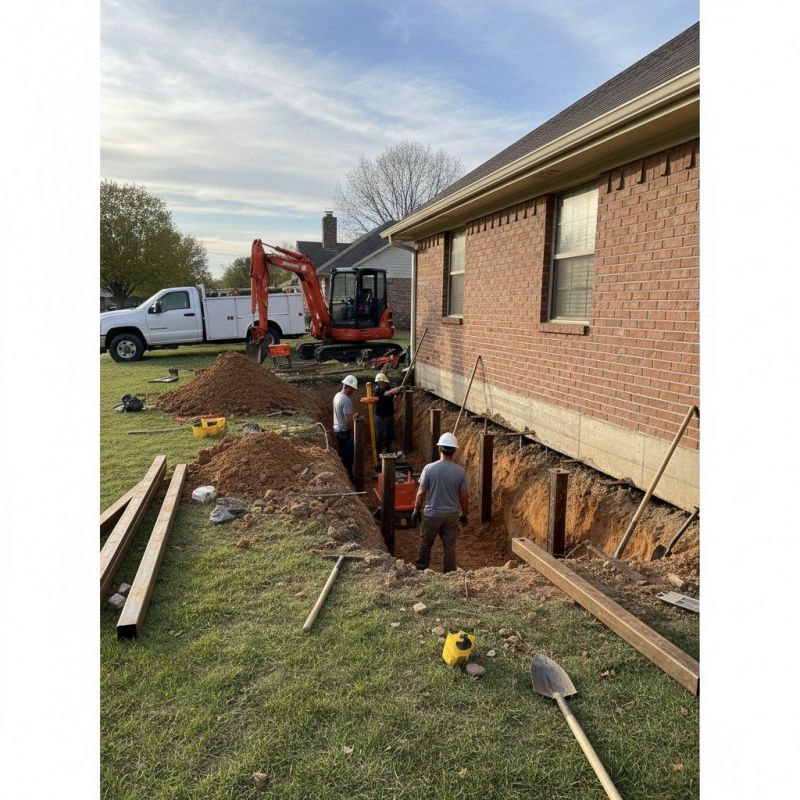
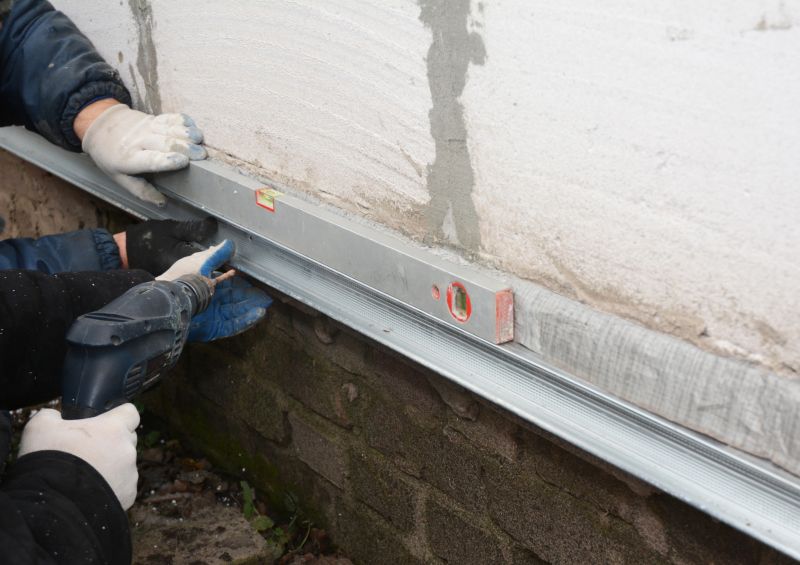
Learn how to compare local contractors, define project scope, verify experience, and set clear expectations.
- Scope Definition - Clearly outline the specific stabilization methods and areas of the foundation that require work.
- Experience Verification - Confirm that the service providers have relevant experience with foundation stabilization projects.
- Material and Technique Selection - Specify the types of materials and stabilization techniques to be used in the project.
- Written Agreement - Ensure all project details, scope, and expectations are documented in a formal contract.
- Comparison of Local Contractors - Evaluate multiple local service providers to compare their approaches and expertise for foundation stabilization.
When comparing contractors for foundation stabilizing, it’s important to consider their experience with similar projects. Homeowners should inquire about the types of foundation issues the service providers have addressed and the methods they have used in past work. A contractor with a proven track record in foundation stabilization will be familiar with the common challenges and effective solutions, helping to ensure the work is handled competently. Understanding a contractor’s background in comparable projects can provide confidence in their ability to meet the specific needs of the site.
A clear, written scope of work is essential when evaluating foundation stabilizing contractors. This document should outline the specific tasks to be performed, the materials to be used, and the expected outcomes. Having a detailed scope helps prevent misunderstandings and ensures that both parties are aligned on the project’s objectives. Homeowners are encouraged to review the scope carefully and ask for clarification or additional details if any part of it appears vague or incomplete.
Verification basics are an important step in selecting a reliable service provider. Homeowners should request references or examples of previous projects similar in scope and complexity. Confirming a contractor’s experience through verified work can provide insight into their capabilities and the quality of their results. Additionally, it’s helpful to verify that the contractor follows industry standards and best practices, which can be assessed through documentation or discussions about their approach to foundation stabilization.
Evaluating options without focusing on prices involves assessing the quality and clarity of proposals from different local contractors. Homeowners should compare how well each contractor understands the project, the level of detail in their written scope, and their experience with similar work. It’s also useful to consider how each service provider communicates and whether they provide thorough explanations of their methods. By focusing on these factors, homeowners can make informed decisions based on the professionalism and suitability of each contractor, rather than cost alone.
Ask contractors to provide written scope details to ensure expectations and work boundaries are clearly defined.
- Experience and Qualifications - What specific experience do local contractors have with foundation stabilizing projects similar to the scope needed?
- Scope of Work - How do contractors define and clarify the scope of work to ensure all stabilization needs are addressed?
- Methods and Techniques - What stabilization methods and techniques do local service providers typically use, and how do they compare?
- Materials and Equipment - What materials and equipment do contractors plan to use, and how do they ensure quality and suitability?
- Written Estimates and Agreements - How do contractors document the scope, methods, and expectations in written agreements to prevent misunderstandings?
What should I consider when choosing a foundation stabilizing contractor? It's important to compare local contractors based on their experience, expertise, and reputation. Defining the scope of work clearly and verifying their background can help ensure a suitable match for the project.
How can I verify a contractor’s experience with foundation stabilization? You can ask for references or examples of past projects similar to your needs. Checking their work history and any available reviews can provide insight into their capabilities.
What questions should I ask a foundation stabilizing service provider? Inquire about their approach to stabilization, the techniques they use, and how they handle unexpected issues. Clarifying the scope and process helps set clear expectations.
Why is it important to define the scope of work in writing? Having a written scope ensures both parties agree on the project details, responsibilities, and deliverables, reducing misunderstandings and providing a clear reference throughout the work.
How can I compare different foundation stabilization contractors effectively? Review their experience, methods, and reputation, and ask detailed questions about their process. Gathering this information helps determine which service provider aligns best with your needs.
What role does communication play when working with a foundation stabilizing contractor? Clear and detailed communication about project scope, expectations, and procedures helps ensure a smooth process and reduces the chance of misunderstandings during the work.
This page has highlighted the importance of thoroughly comparing contractors for foundation stabilizing projects. Visitors learned how to define the scope of work clearly, verify the experience and credentials of service providers, and establish expectations in writing to help ensure a smooth process. Taking these steps can help in making informed decisions when selecting local contractors suited to specific needs.
Using the provided quote form allows visitors to connect with local service providers who specialize in foundation stabilizing. Comparing options through this method can assist in finding the right contractor for the job, based on the criteria that matter most. It’s a practical way to explore available local options and make a well-informed choice.